
Creatine: What It Does, Who It's For and Is It Safe?
Published · by Recovery Kit Team
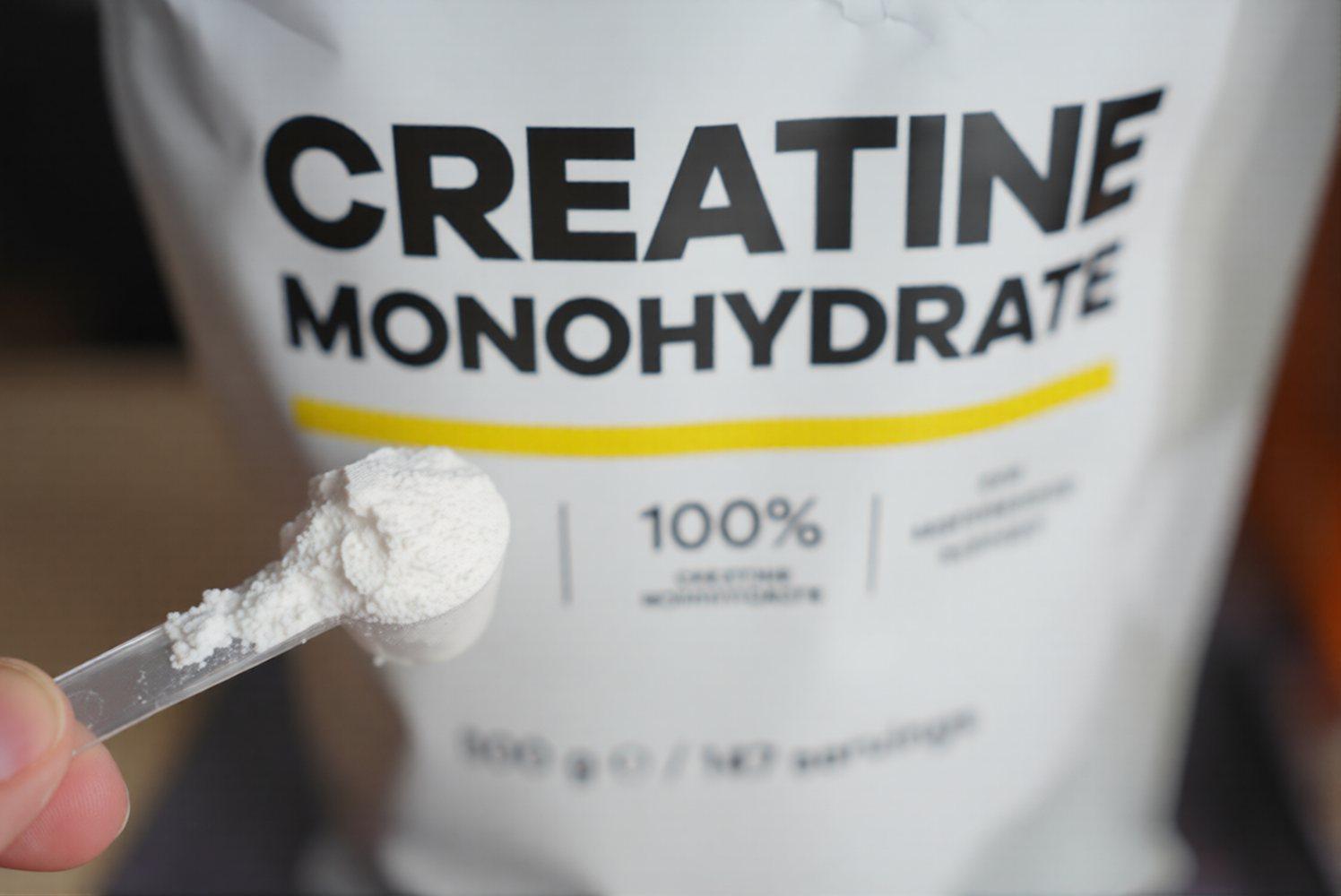
Creatine is one of the most researched supplements. Whilst most discussion around creatine centres on sports performance and strength training, the evidence for its use in older populations is growing.
For years creatine was seen as a supplement for bodybuilders, with worries about kidney damage, hair loss and bloating never far behind. The research paints a far more reassuring picture. Creatine is one of the most thoroughly studied ways to help the body build and keep muscle.
Muscle matters well beyond the gym. It helps you manage stairs, keeps you steady on your feet and supports your independence as you get older. If you have an operation coming up, building and maintaining muscle is one of the most useful things you can do to help your body prepare for recovery.
What creatine actually is
Creatine is a compound your body makes from amino acids. About half of the creatine you need comes from food, mainly meat and fish, and the liver and kidneys make the rest.1 Around 95% of it ends up in your skeletal muscles, where roughly two-thirds is stored as phosphocreatine.1
Every muscle contraction runs on a molecule called ATP (adenosine triphosphate). When a muscle uses ATP, it breaks off one of its phosphates, releasing energy and leaving behind ADP. Muscles only keep a small amount of ATP to hand, so they have to rebuild it quickly to keep working.
Phosphocreatine does that job. During short, intense efforts like a sprint or compound lift, it passes its phosphate to ADP and turns it back into ATP.1 More phosphocreatine in the muscle means it can keep rebuilding ATP for longer.
A normal diet only partly fills the muscles' creatine stores. Supplements can raise muscle creatine and phosphocreatine by 20 to 40%,1 which lets you do more work in each training session. Over weeks and months, that extra work builds more muscle and strength.

- 1Muscles run on ATPWhen a muscle contracts, ATP is used up and becomes ADP.
- 2Phosphocreatine rebuilds ATPIn short, hard efforts, phosphocreatine turns ADP back into ATP.
- 3Creatine boosts phosphocreatine reservesTaking creatine raises phosphocreatine levels by 20 to 40%, so muscles can work harder for longer.
Creatine and muscle: what the research shows
The International Society of Sports Nutrition, in its position stand on creatine, concluded that creatine monohydrate is the most effective nutritional supplement currently available for increasing high-intensity exercise capacity and lean body mass during training.1
The benefits are not limited to younger athletes. A meta-analysis of 22 randomised controlled trials looked at 721 adults with an average age of 57 to 70. Those who took creatine while doing resistance training gained an average of 1.37 kg more lean tissue than those who trained without it, and made bigger gains in upper and lower body strength.2
In the UK and EU there is an authorised health claim to match. Daily creatine consumption can enhance the effect of resistance training on muscle strength in adults over the age of 55, based on 3 g a day with resistance training at least three times a week.3 The training still does the work. Creatine helps your muscles respond to it.
Why muscle matters before surgery
Muscle is lost quickly after an operation, when pain and swelling keep you less active than usual. In one study of knee replacement patients, thigh strength had dropped significantly within a month of surgery.4
How strong you are beforehand affects how you recover. People with stronger thigh muscles before a knee replacement did better on stairs and walking tests a year later.5 In people having ACL reconstruction, thigh strength before the operation was one of the best predictors of how well the knee worked two years on.6
This is why surgeons and physios encourage prehab, the strengthening work you do in the weeks and months before an operation.
Where creatine fits in
Creatine can play a useful part in preparing for surgery, and in looking after your muscles more generally.
- On the waiting list for a hip or knee replacement. Strength work is at the centre of prehab, and creatine can help you get more out of each session.
- After a sports injury. People with an ACL tear or another soft-tissue knee injury often spend weeks or months in rehab before reconstruction. Keeping your thigh strong through that period matters, and creatine is well researched as a support for strength training.
- When a limb is out of action. A review of human and animal studies found creatine may help limit muscle loss while a limb is immobilised, and help the muscle recover afterwards.7
- As you get older. Muscle mass naturally falls with age. For adults over 55 who do regular strength training, creatine has an authorised claim for muscle strength.3
Creatine doesn't replace your rehab, and trials that started it just before or after surgery have shown mixed results.4 It works best as part of the longer build-up. In the weeks straight after an operation, a Compex can help get the thigh muscle working again, and cold and compression with the NICE1 helps control the swelling and inflammation post-surgery.
If you're thinking about taking creatine before an operation, check with your surgical team or GP first, and tell the hospital about any supplements you take.
How to take it
Most research uses 3 to 5 g of creatine monohydrate a day.1 Take it alongside your prehab exercises, and start a few weeks before your operation so your muscle stores have time to build up.
Creatine monohydrate has the most research behind it. Other, more expensive forms haven't been shown to work any better.
Is it safe?
For healthy people, yes. The International Society of Sports Nutrition concludes that creatine is safe and well tolerated in healthy people at doses of up to 30 g a day for five years, which is far higher than the amounts used above.1 One study followed people taking creatine for nearly two years and found no clinically significant differences in markers of kidney function compared with people who weren't taking it.1
This article is for information only and isn't medical advice. If you have a medical condition, are having surgery or take regular medication, check with your GP, surgical team or pharmacist before taking any supplement.
Sources
The small numbers in the article link to these sources.
- Kreider RB et al. (International Society of Sports Nutrition) — International Society of Sports Nutrition position stand: safety and efficacy of creatine supplementation in exercise, sport, and medicine. Journal of the International Society of Sports Nutrition, 2017;14:18. doi.org/10.1186/s12970-017-0173-z
- Chilibeck PD et al. (review of 22 trials) — Effect of creatine supplementation during resistance training on lean tissue mass and muscular strength in older adults: a meta-analysis. Open Access Journal of Sports Medicine, 2017;8:213–226. doi.org/10.2147/OAJSM.S123529
- European Commission — Commission Implementing Regulation (EU) 2017/672: authorised health claim for creatine and muscle strength in adults over 55. eur-lex.europa.eu/eli/reg_impl/2017/672/oj
- Roy BD et al. (knee replacement trial) — Creatine monohydrate supplementation does not improve functional recovery after total knee arthroplasty. Archives of Physical Medicine and Rehabilitation, 2005;86(7):1293–1298. doi.org/10.1016/j.apmr.2005.01.005
- Mizner RL et al. — Preoperative quadriceps strength predicts functional ability one year after total knee arthroplasty. Journal of Rheumatology, 2005;32(8):1533–1539. pubmed.ncbi.nlm.nih.gov/16078331/
- Eitzen I et al. — Preoperative quadriceps strength is a significant predictor of knee function two years after anterior cruciate ligament reconstruction. British Journal of Sports Medicine, 2009;43(5):371–376. doi.org/10.1136/bjsm.2008.057059
- Padilha CS et al. (systematic review) — Oral creatine supplementation attenuates muscle loss caused by limb immobilization: a systematic review. Fisioterapia em Movimento, 2017;30(4):831–838. doi.org/10.1590/1980-5918.030.004.AR01